Apigee, the API company, recently announced the findings of its 2013 Mobile App Behavior survey of over 760 smartphone owners across France, Germany, Spain, the UK and U.S., conducted online in February by uSamp. “The findings of the study show that people all over the world are becoming increasingly intertwined with their mobile apps and are demanding more from them,” said Chet Kapoor, Apigee CEO.
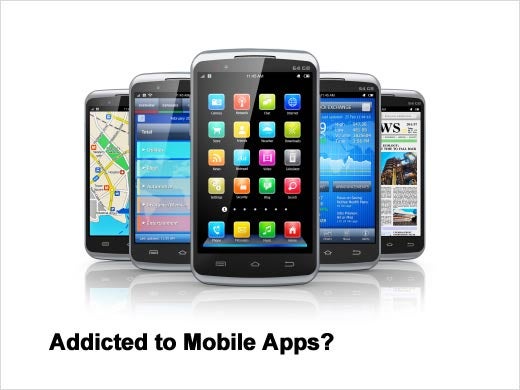
Click through for findings from a mobile usage study conducted by Apigee.
The survey, which was aimed at revealing mobile app dependency, behavior and future desires across a variety of countries, found that fully 82 percent of those surveyed believe there are critical apps they can’t go without for even a day, including email (57 percent), Facebook (41 percent) and alarm clock apps (31 percent).
Spain ranked as the most app-reliant country with 93 percent saying they can’t go one complete day, while half (50 percent) of U.S. residents say they couldn’t last just four hours without apps. And the amount of apps people say they use each day is significant: Seventy-two percent say they use as many as 10 apps per day, and 2 percent in the global survey even claim they use more than 50 apps per day.

But the study probed deeper at the reactions people have when actually confronted with losing the apps they have come to rely on, and many people around the world report basic things they would be unable to do without apps, including:
- Check email – 48 percent
- Wake up in the morning – 32 percent
- Feel happy – 23 percent
- Navigate to work – 20 percent
- Maintain my relationship – 19 percent
- Find dates – 13 percent
- Order dinner – 12 percent
- Impress people – 10 percent

But the feeling of app dependency varies globally. Fully 18 percent of the French say they could not order dinner without an app, while people in America (16 percent) and the UK (8 percent) feel more app independent in that area. Twenty-three percent in Spain say they couldn’t find a date without apps, but only five percent of Americans believe they would lose this ability. On giving up apps forever, 85 percent admit they would actually rather give up drinking water than delete all of their apps, while a further nine percent say it would be easier for them to invent a new source of energy than delete all of the apps on their smartphones.
A look at global behavior around the usage of apps revealed variations on opinions of children with smartphones, drivers and mobile platform loyalty.
When asked the age at which it’s appropriate for a child to receive their first smartphone, 75 percent say somewhere between the ages of 12 and 16. However, two percent of Germans say a one-year-old child should have a smartphone, eight percent of Americans say the right age is 10, and six percent of people in the U.S. and Spain say parents should wait until kids reach the age of 18 before giving them their first smartphone.
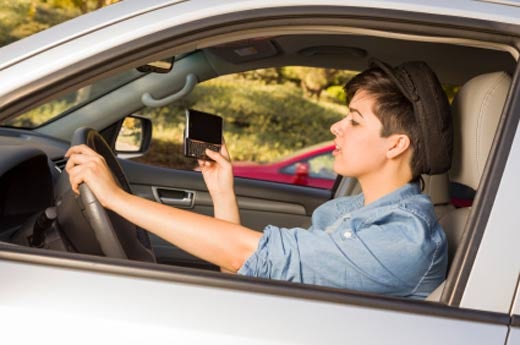
Fifty-three percent of drivers across the world admit to using apps on their smartphone while behind the wheel. Some countries have made more headway than others at curbing this behavior, but the numbers of respondents saying they do this is consistently high: Germany (64 percent), France (61 percent), Spain (56 percent), U.S. (49 percent) and UK (30 percent).
Interestingly, “pride” emerged as the top reason that people stay with the mobile platform of their choice. Americans emerged as the most proud of their chosen operating system at a surprising 37 percent. However, overall iPhone, Android, Blackberry and Windows users say it’s pride that keeps them from switching (29 percent), followed by:
- Lack of apps on other platforms – 24 percent
- Lack of desire to learn a new type of phone – 23 percent
- Fear of needing to re-enter all contacts and phone numbers – 22 percent
Looking ahead, the number one app capability that respondents wish they had is remote control of things in the home, such as lights, air conditioning, locks and garage doors (46 percent), followed by:
- Tracking energy usage in the home – 38 percent
- Remote car start – 34 percent
- Apps that can charge purchases directly to a mobile phone bill – 21 percent
Americans’ desire for remote control of the home was the strongest at 61 percent, while Germany and France only clocked in at 34 percent.