
One of the issues that IT organizations have with Google Android is the amount of investment they have put into building and deploying Windows applications. In ideal corporate IT world, smartphones and tablet devices would run some form of Windows that would allow these applications to run seamlessly from smartphone to server and back again.
Alas, the mobile computing market is rapidly becoming fragmented with Apple iPad and variants of the Google Android operating system leading the pack. The good news is that there are companies working on making it possible to run Windows and the Google Android operating system on x86 devices simultaneously.
Case in point is BlueStacks, a startup company that came out of stealth mode today. According to BlueStacks CEO Rosen Sharma, the end goal of this effort is to eliminate the need for IT organizations to carry two separate mobile computing devices.
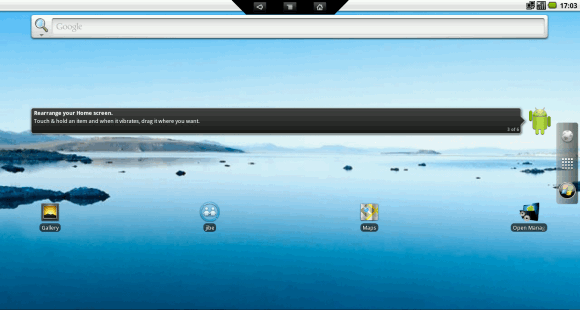
Sharma says he has found the interest in this approach from corporate IT departments to be surprising. But in a world where IT departments are becoming concerned about the number of devices they need to support across a limited set of IT help desk resources, any consolidation of those devices is going to be looked upon favorably.
Sharma says that BlueStacks has already lined up four PC vendors to support its technology and that the company expects to bring its technology to market by the end of the year. In addition, the company will partner with Citrix to provide some of the key desktop virtualization technologies required to integrate its platform with the rest of the enterprise.
There is no doubt that as processing horsepower on the client increases it will become more feasible to run multiple operating systems simultaneously on the same system. How much that affects the adoption of desktop virtualization remains to be seen. No doubt some desktop virtualization technologies will remain relevant, but overall it will be interesting to see what role desktop virtualization really plays in the enterprise this time next year.