
SHARE
Facebook X Pinterest WhatsApp

WaveMaker Adds API Publishing Tools to PaaS Environment

What Would Happen on a Day Without Data? As a provider of a platform-as-a-service (PaaS) environment anchored around a set of rapid application development (RAD) tools, WaveMaker has already incorporated application programming interface (API) management tools into its core platform. This week, WaveMaker is also including tools that make it simpler to publish and manage […]

Written By
MV
Mike Vizard
Jun 24, 2015
Slide Show

What Would Happen on a Day Without Data?

As a provider of a platform-as-a-service (PaaS) environment anchored around a set of rapid application development (RAD) tools, WaveMaker has already incorporated application programming interface (API) management tools into its core platform.

This week, WaveMaker is also including tools that make it simpler to publish and manage subscriptions to those APIs with external third parties via WaveMaker Gateway software that is based on the Swagger framework for modeling APIs and web load balancing software from Pramati Technologies.

Given the rising popularity of APIs as a means for integrating applications, Mayur Shah, senior project manager for WaveMaker, says it’s becoming increasingly apparent that API management and PaaS environments are starting to converge. For the most part, mobile applications in particular that are built on a PaaS environment are generally dependent on a plethora of APIs. Rather than requiring organizations to acquire a separate API management platform, WaveMaker is moving to integrate the functionality inside the PaaS environment.
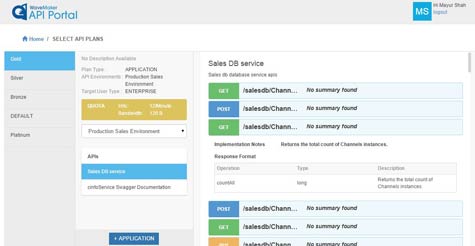
WaveMaker-API-Portal-Select-Plan

The degree to which that occurs may very well depend on who actually winds up managing those APIs. As part of the shift toward integrated DevOps, it’s apparent that developers and IT operations teams are now working more hand in glove than ever. But it’s not apparent that those IT operations teams want to manage APIs inside a larger PaaS environment or would prefer a separate dedicated platform. Conversely, it’s just as common for developer teams to manage APIs with little to no input from IT operations teams.

Regardless of the approach taken, application development and API management are clearly starting to converge. Not nearly as clear is who inside the IT organization is ultimately going to be responsible for managing those APIs.

MV

Michael Vizard is a seasoned IT journalist, with nearly 30 years of experience writing and editing about enterprise IT issues. He is a contributor to publications including Programmableweb, IT Business Edge, CIOinsight and UBM Tech. He formerly was editorial director for Ziff-Davis Enterprise, where he launched the company’s custom content division, and has also served as editor in chief for CRN and InfoWorld. He also has held editorial positions at PC Week, Computerworld and Digital Review.

Recommended for you...

Observability: Why It’s a Red Hot Tech Term
Tom Taulli
Jul 19, 2022
Top GRC Platforms & Tools in 2022
Jira vs. ServiceNow: Features, Pricing, and Comparison
Surajdeep Singh
Jun 17, 2022
IT Business Edge Logo

The go-to resource for IT professionals from all corners of the tech world looking for cutting edge technology solutions that solve their unique business challenges. We aim to help these professionals grow their knowledge base and authority in their field with the top news and trends in the technology space.

Property of TechnologyAdvice. © 2025 TechnologyAdvice. All Rights Reserved

Advertiser Disclosure: Some of the products that appear on this site are from companies from which TechnologyAdvice receives compensation. This compensation may impact how and where products appear on this site including, for example, the order in which they appear. TechnologyAdvice does not include all companies or all types of products available in the marketplace.