SHARE
Facebook X Pinterest WhatsApp

Swarm64 Partners with Intel to Accelerate SQL Performance Using FPGAs

Intel, working with Swarm64, a provider of a storage engine, announced today that it can significantly accelerate the performance of open source databases using field programmable gate arrays (FPGA). Announced at a M|17 conference for users of open source MariaDB databases, Swarm64 CEO Karsten Rönner says the Swarm64 scalable data accelerator (SDA) is a storage […]

Written By
MV
Mike Vizard
Apr 11, 2017

Intel, working with Swarm64, a provider of a storage engine, announced today that it can significantly accelerate the performance of open source databases using field programmable gate arrays (FPGA).

Announced at a M|17 conference for users of open source MariaDB databases, Swarm64 CEO Karsten Rönner says the Swarm64 scalable data accelerator (SDA) is a storage engine for SQL databases that can be dropped in alongside existing storage engines employed in MySQL, MariaDB and PostgreSQL databases. Instead of replacing existing databases with, for example, a new database that runs in-memory, Rönner says FPGAs make it possible to process SQL requests to run in real time against large amounts of data without having to move data into a different database platform.

“We designed our storage engine to coexist with the existing storage engine,” says Rönner.

In the future, Rönner says, Swarm64 expects to be able to make use of an Oracle Data Cartridge to provide the same capability for Oracle databases.

Michael Strickland, architect and director for data center and storage business within the Intel Programmable Solutions Group, says Intel, following the acquisition of Altera, now has vested interest in making FPGAs a standard approach to accelerating application performance. In the initial form, that effort manifests itself in the form of an FPGA card. But Intel has already shown how it intends to package FPGAs and Intel Xeon processors together.
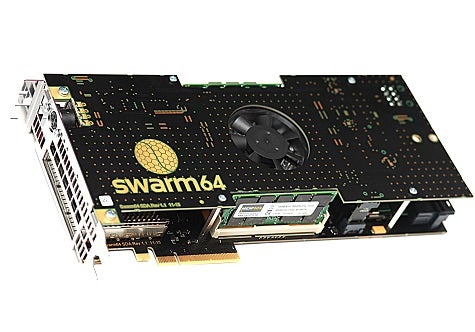
Swarm64

Moving data to a new database platform is not an activity most IT organizations relish. If a new storage engine coupled with FPGAs forestalls the need to swap out an existing database, chances are then high that large numbers of IT organizations would prefer to simply add additional hardware versus going to the pain and trouble of implementing a new database.


MV

Michael Vizard is a seasoned IT journalist, with nearly 30 years of experience writing and editing about enterprise IT issues. He is a contributor to publications including Programmableweb, IT Business Edge, CIOinsight and UBM Tech. He formerly was editorial director for Ziff-Davis Enterprise, where he launched the company’s custom content division, and has also served as editor in chief for CRN and InfoWorld. He also has held editorial positions at PC Week, Computerworld and Digital Review.

Recommended for you...

Observability: Why It’s a Red Hot Tech Term
Tom Taulli
Jul 19, 2022
Top GRC Platforms & Tools in 2022
Jira vs. ServiceNow: Features, Pricing, and Comparison
Surajdeep Singh
Jun 17, 2022
IT Business Edge Logo

The go-to resource for IT professionals from all corners of the tech world looking for cutting edge technology solutions that solve their unique business challenges. We aim to help these professionals grow their knowledge base and authority in their field with the top news and trends in the technology space.

Property of TechnologyAdvice. © 2025 TechnologyAdvice. All Rights Reserved

Advertiser Disclosure: Some of the products that appear on this site are from companies from which TechnologyAdvice receives compensation. This compensation may impact how and where products appear on this site including, for example, the order in which they appear. TechnologyAdvice does not include all companies or all types of products available in the marketplace.