
For as long as anyone in IT can remember, applications and IT infrastructure are managed separately and never the twain shall meet.
But with the rise of DevOps as a discipline, it’s become clear that these two IT management disciplines need to be tightly integrated. With that goal in mind, Compuware today released PureStack Technology, which leverages the dynaTrace application performance technology that Compuware acquired in 2011 to identify what infrastructure issues are adversely affecting transactions.
While transaction management and APM offerings have been converging for a while now, Kiernan Taylor, vice president of Compuware APM, says PureStack Technology takes IT management a step further by identifying in real time the infrastructure issues affecting any specific transaction.
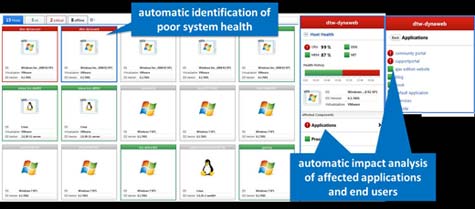
The implications of this new capability are not only profound in terms of giving developers more visibility into IT infrastructure, Taylor says it will ultimately change IT purchasing patterns. IT organizations will be able to make more informed hardware decisions by precisely determining which pieces of IT infrastructure optimize the performance of their applications, says Taylor.
PureStack Technology extends Compuware’s APM capabilities by discovering, mapping and collecting system and infrastructure data, including hypervisor, operating system, storage, processor and CPU. This data is then correlated against the information collected by Compuware’s PurePath APM software, which contains cross-tier transaction detail, including end-user and code-level context.
The day when IT infrastructure and applications were managed in isolation are mercifully coming to a close. The challenge most IT organizations now face is not necessarily how to use these new tools, but rather how to reorganize internal IT operations teams around them. After all, instead of building walls between IT infrastructure and application management teams, the time has come to make sure everyone realizes that one can’t add any meaningful business value without the other. The degree to which that means these teams will be merged or just work more closely together will vary by IT organization. But what is certain is that these teams can no longer afford to ignore one another.