

5 Ways to Get Developers to Adopt Your APIs

Digital business transformation at its core is dependent on the number of well-defined application programming interfaces (APIs) an organization can publish. Unfortunately, the development of those APIs has been dependent on the availability of developers to actually create them.
CA Technologies, with the launch of CA Live API Creator, is aiming to change that once and for all by making it possible for anyone in the organization to automatically create an API for an application or any particular data set they choose. In addition, CA Technologies has upgraded the CA API Gateway for managing APIs to include support for Docker containers, Android devices, and a suite of open source CA Mobile App Services components that developers can employ to streamline development of mobile applications.
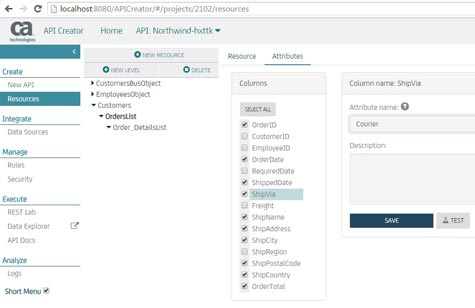
Phil Walston, vice president of API management for CA Technologies, says CA Live API Creator not only automates the process of creating an API around data residing in a relational or NoSQL database using graphical tools, it ensures the quality of the API by adhering to best practices.
“A lot of organizations today have trouble writing a good API on their own,” says Walston.
The number of APIs that most organizations will soon find themselves supporting is about to exponentially increase. Thanks to the rise of Docker containers and microservices, there will be more granular sets of code than ever generating API calls. Walston says it’s only a matter of time before those Docker containers force a larger conversation involving API governance and scalability.
Naturally, it remains to be seen just how many organizations wind up becoming more proactive about API management in the age of microservices. It’s already clear that the demands of mobile computing applications are testing the limits of their existing API management skills. Microservices will not only increase reliance on APIs, it may very well prove to be the proverbial straw that winds up breaking the back of what little most organizations have in place today to actually manage their APIs.
Save
Save
Save