
As organizations start to comprehend the enormity of the impact that the General Data Protection Regulation (GDPR) is about to have on business processes, many of them are discovering they need to upgrade any application where personally identifiable information (PII) data exists.
One of the first applications being upgraded is the customer relationship management (CRM) software from SugarCRM. Announced this week, the Spring ‘18 Cloud update to Sugar software-as-a-service (SaaS) application adds an array of data privacy controls within the application for free. Those same controls will be added to Sugar 8 release for on-premise customers later this year.
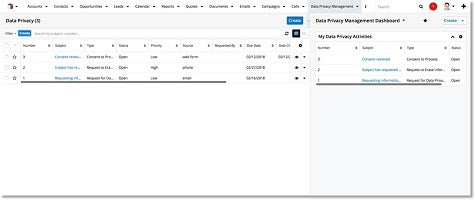
Clint Oram, chief marketing officer for SugarCRM, says SugarCRM has added fields that now identify all the PII data in the application along with a console for managing GDPR-related requests from customers. Business users can also keep track of who has provided their consent to use their PII data, who opted into certain offers the organization has made, and flag anyone who has requested their PII data to not be used in any way.
The European Union is putting GDPR into effect May 25th. Fewer than half of organizations potentially impacted by this rule are expected to be able to comply. GDPR requires organizations to be able to delete all the PII data they collect if a customer requests them to “forget” they ever had a business relationship. Failure to comply with that rule could result in fines as high as 4 percent of global revenues.
Oram notes that many U.S.-based businesses don’t realize to what extent they may be impacted by GDPR. In fact, Oram notes that stricter data privacy regulations are starting to be enforced all around the globe.
“There’s a sea change coming in terms of how organizations manage customer data,” says Oram.
Most of the work being done to achieve GDP compliance is being led by legal teams working with the IT organization. But Oram says it’s now only a matter of time before business units start to fully appreciate the extent to which many of the business processes that people now take for granted are about to be changed utterly.