

 Spam is one of those things that most IT organizations think they have under relative control. Of course, no one really stops to think about why there is so much spam in the first place.
Well, it turns out that far too many Internet service providers are relying on anti-spam software that was primarily designed to fight inbound, rather than outbound, spam. According to a survey of 100 IT professionals working for ISPs that was conducted by Osterman Research on behalf of Commtouch, a provider of anti-spam software to software vendors, 40 percent report that IP addresses managed by them have been blacklisted at some time in the last 12 months. (Read more about this survey from our Mike Vizard over at his blog.)
The use of inbound spam tools to fight outbound spam makes it relatively simple for spammers to tinker with their content until they see what makes it through the spam filters. They can do this because once they take over an account, they can also sign up as a customer to see what makes it through.
With 80 percent of all e-mail on the Internet classified as spam, huge amounts of IT resources are being diverted to stem a tide of spam that by all rights shouldn’t be there in the first place.

Click through for findings from a recent survey by Osterman Research.
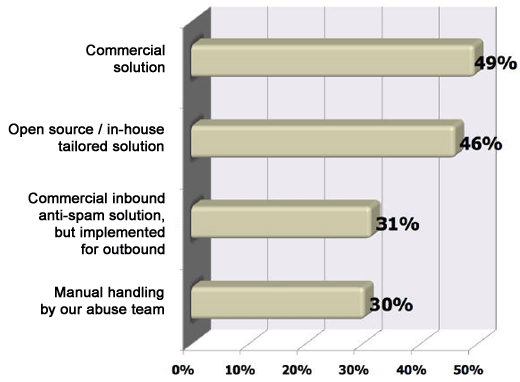
Turns out most of the commercial offerings were designed for inbound spam.
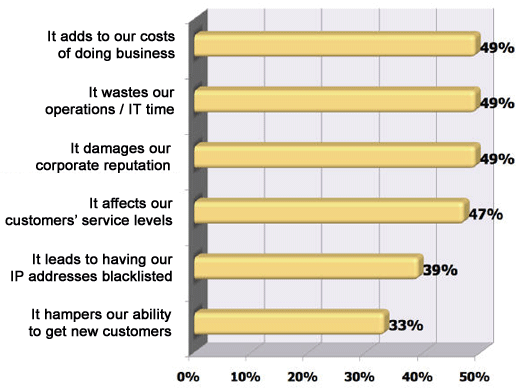
It’s also a matter of time before it becomes a legal issue.
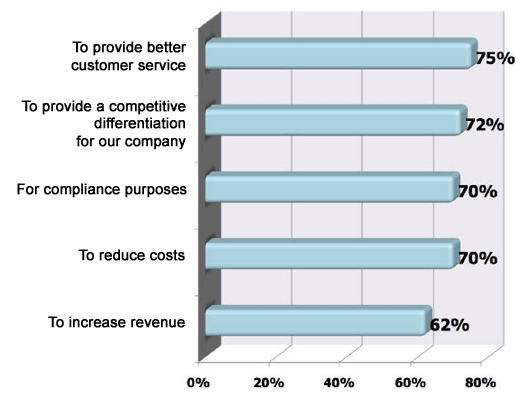
ISPs are generating 200 outbound spam messages a year.
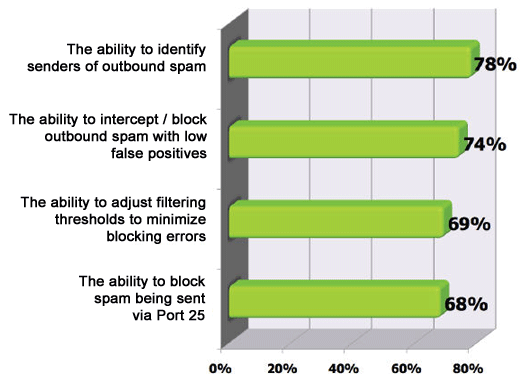
Ultimate goal is to shut down the accounts generated the spam.