SHARE
Facebook X Pinterest WhatsApp

Data Dynamics Simplifies Storage Management Across Multiple Platforms

One of the biggest challenges associated with managing storage today is the sheer number of platforms involved. From file servers and network attached storage (NAS) servers to emerging hyperconverged infrastructure (HCI) platforms and object-based storage systems accessible via the cloud, managing storage has never been more complex. Data Dynamics this week moved to reduce that […]

Written By
MV
Mike Vizard
Oct 5, 2017

One of the biggest challenges associated with managing storage today is the sheer number of platforms involved. From file servers and network attached storage (NAS) servers to emerging hyperconverged infrastructure (HCI) platforms and object-based storage systems accessible via the cloud, managing storage has never been more complex.

Data Dynamics this week moved to reduce that complexity with the release of version 8.0 of StorageX, file management software that can be employed across multiple platforms. The latest version automatically converts files into an object-based format that is compatible with the S3 interface that Amazon Web Services (AWS) employs in its public cloud service.

Chuong Le, senior vice president for field operations at Data Dynamics, says storage management has become a burden because each storage vendor tries to lock organizations into a specific type of platform. StorageX solves that issue by making it possible to move files between storage platforms as necessary, says Le.

“It provides full flexibility,” says Le.

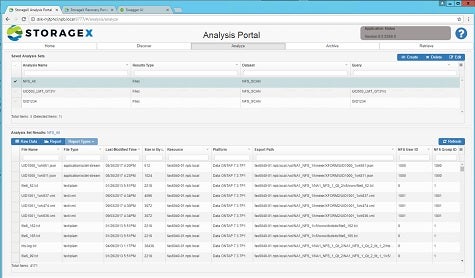
In addition to support for AWS S3, the latest version of StorageX adds analytics tools that apply metadata to help IT organizations better understand storage allocation and usage. There are also pre-integrated workflows and a central console through which files can be managed across multiple platforms.
DataDynamics1

Given the volume of data that IT organizations now routinely manage, it’s never been more important to be able to move files between platforms. As primary storage systems fill up, there becomes a pressing need to move files that are not being regularly accessed to lower-cost storage platforms such as the AWS S3 cloud. The challenge facing IT organizations that have multiple local storage systems is finding a way to achieve that goal with the barest amount of friction possible.

MV

Michael Vizard is a seasoned IT journalist, with nearly 30 years of experience writing and editing about enterprise IT issues. He is a contributor to publications including Programmableweb, IT Business Edge, CIOinsight and UBM Tech. He formerly was editorial director for Ziff-Davis Enterprise, where he launched the company’s custom content division, and has also served as editor in chief for CRN and InfoWorld. He also has held editorial positions at PC Week, Computerworld and Digital Review.

Recommended for you...

Unifying Data Management with Data Fabrics
Litton Power
Jun 17, 2022
Top Big Data Storage Tools 2022
Surajdeep Singh
Jun 16, 2022
8 Top Data Startups
Tom Taulli
May 20, 2022
IT Business Edge Logo

The go-to resource for IT professionals from all corners of the tech world looking for cutting edge technology solutions that solve their unique business challenges. We aim to help these professionals grow their knowledge base and authority in their field with the top news and trends in the technology space.

Property of TechnologyAdvice. © 2025 TechnologyAdvice. All Rights Reserved

Advertiser Disclosure: Some of the products that appear on this site are from companies from which TechnologyAdvice receives compensation. This compensation may impact how and where products appear on this site including, for example, the order in which they appear. TechnologyAdvice does not include all companies or all types of products available in the marketplace.