
SHARE
Facebook X Pinterest WhatsApp

Midokura Provides More Network Virtualization Visibility

The Five Dos and Don’ts of Virtualization While it’s taken some time, network virtualization is now quickly becoming fairly common. The challenge now is finding a way to apply network virtualization to support heterogeneous IT environments. To meet that challenge, Midokura created Midokura Enterprise MidoNet (MEM), an instance of a virtual network that can be […]

Written By
MV
Mike Vizard
Feb 12, 2016
Slide Show

The Five Dos and Don’ts of Virtualization

While it’s taken some time, network virtualization is now quickly becoming fairly common. The challenge now is finding a way to apply network virtualization to support heterogeneous IT environments. To meet that challenge, Midokura created Midokura Enterprise MidoNet (MEM), an instance of a virtual network that can be deployed in an OpenStack environment while still being integrated with existing VMware vSphere technologies.

With the release of MEM 5.0, Midokura is now looking to provide more visibility into virtual networks via the addition of visualization tools that make it easier to track network flows and monitor bandwidth consumptions using, for example, port mirrors.

In general, Susan Wu, director of technical marketing for Midokura says, once organizations embrace OpenStack as a framework for managing new classes of application workloads, they start looking for a more robust approach to network virtualization. Not only is the network virtualization technology provided within OpenStack difficult to scale, Wu notes, but organizations need an approach to network virtualization that can also span a variety of legacy networking environments using MidoNet Gateway software.
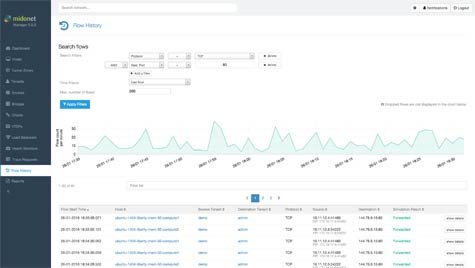
MEM-Insights

As a foundational component for creating a software-defined network (SDN), network virtualization plays a critical role by providing a layer of abstraction above network hardware and software that makes it simpler to manage a complex IT environment. Now enterprise IT organizations are starting to leverage that layer of abstraction to fundamentally change the way those networks are managed.

Naturally, that change involves both new technologies and fundamental changes to the culture of the IT department itself. Of course, that’s a whole lot easier to accomplish when everyone involved has visibility into what’s actually occurring on the virtual networks.

MV

Michael Vizard is a seasoned IT journalist, with nearly 30 years of experience writing and editing about enterprise IT issues. He is a contributor to publications including Programmableweb, IT Business Edge, CIOinsight and UBM Tech. He formerly was editorial director for Ziff-Davis Enterprise, where he launched the company’s custom content division, and has also served as editor in chief for CRN and InfoWorld. He also has held editorial positions at PC Week, Computerworld and Digital Review.

Recommended for you...

Hyperscalers: Will They Upend the Mainframe Market?
Tom Taulli
Nov 22, 2021
PagerDuty Report: Stress on IT Teams on the Rise
Mike Vizard
Jul 30, 2021
VMware Adds Subscription Option for VMware Cloud
Mike Vizard
Mar 31, 2021
IT Business Edge Logo

The go-to resource for IT professionals from all corners of the tech world looking for cutting edge technology solutions that solve their unique business challenges. We aim to help these professionals grow their knowledge base and authority in their field with the top news and trends in the technology space.

Property of TechnologyAdvice. © 2025 TechnologyAdvice. All Rights Reserved

Advertiser Disclosure: Some of the products that appear on this site are from companies from which TechnologyAdvice receives compensation. This compensation may impact how and where products appear on this site including, for example, the order in which they appear. TechnologyAdvice does not include all companies or all types of products available in the marketplace.