

Study Finds Network Admins Juggling Multiple Initiatives

For the last couple of years BMC Software has made helping customers keep their mainframe costs under control one of its primary missions. Now it wants to automate the process.
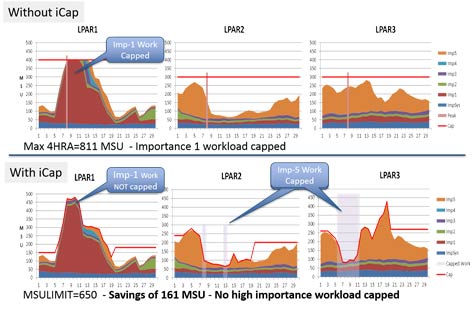
BMC this week added Intelligent Capping to its portfolio of tools for minimizing software licensing costs on IBM mainframes. According to Bill Miller, president for zSolutions and Select Technologies at BMC Software, this new tool allows IT organizations to dynamically adjust peak mainframe usage by capping which applications can run in any given four-hour period while prioritizing which applications get access to mainframe resources.
Even 50 years after its introduction, the IBM mainframe still accounts for 70 percent of the data that is processed across the enterprise. Miller says that because IBM charges for software based on peak usage during a rolling four-hour period, optimizing the applications that can run when on a mainframe can reduce licensing costs by 10 to 15 percent per month. Many organizations currently try to minimize their software costs using spreadsheets to track which applications are running when. Miller says the BMC Intelligent Capping for zEnterprise automates that process so that IT organizations can set policies to ensure that the performance of mission-critical applications is never compromised.
In addition, Miller says IT organizations can use the BMC tools to perform “what-if” analysis to determine the best time to run a particular workload. This capability is critical, because as more Linux workloads shift to the mainframe, IT organizations can better determine how to run those workloads within a four-hour rolling period for free. This tool makes the mainframe more economically efficient at a time when many organizations are constantly debating whether to deploy a workload on a mainframe or on a distributed system.
Given that IBM has an inherent conflict of interest in terms of helping customers reduce their software expenses, Miller says BMC essentially provides a check and balance for IT organizations looking to get the most out of their investments in the mainframe platform.