


While the concept behind virtual lab management (VLM) software is relatively simple, the impact this virtualization software is having on IT budgets is nothing short of profound.
With as much as half of the IT budget for infrastructure in any given organization dedicated to application development, the ability to share servers across multiple developers using VLM software can result in savings of hundreds of thousands of dollars.
Since VMware pretty much drove the concept following its acquisition of Akimbi in 2006, adoption of VLM has been growing at a pretty steady rate. But as Microsoft gears up to deliver VLM software as part of its Visual Studio 2010 offering, VLM is on the cusp of becoming the de facto way IT organizations approach application development in the enterprise. Other vendors offering VLM software include Citrix, CloudShare, Skytap, Surgient and VMLogix.
A new study of 100 IT organizations from the market research firm voke finds that while VLM software is already in use by many IT organizations, widespread adoption will probably be seen this year. The savings that IT organizations are seeing in terms of the reduced number of servers deployed and the overall reduction in power suggest that VLM software is one of the more strategic technology investments an IT organization can make in 2010.
Theresa Lanowitz, a lead researcher for voke, notes that return on investment from VLM software is almost immediate, and now that companies such as IBM, CloudShare and Skytap are making VLM available via cloud computing services, even more IT organizations will be able to leverage the technology. And once that happens, Lanowitz says, it’s pretty clear that VLM will be the de facto standard platform for developing applications in the enterprise.

Click through to learn more about the findings of this study.
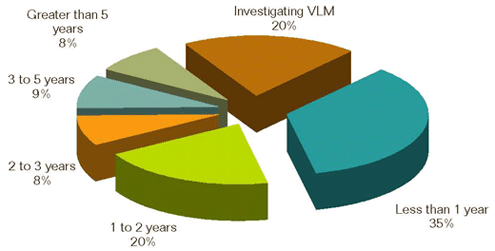
More than half of IT organizations are still relatively new to VLM.
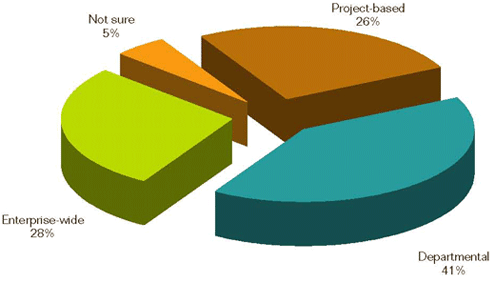
Less than a third have deployed VLM enterprise wide.
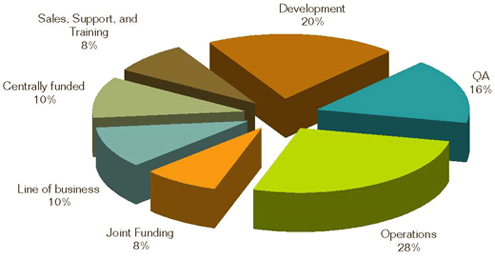
VLM projects are being funded across the organization.
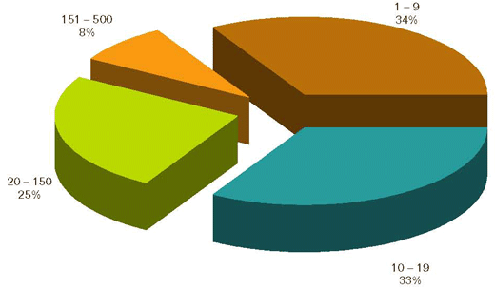
Reduced IT infrastructure requirements reduce development costs.
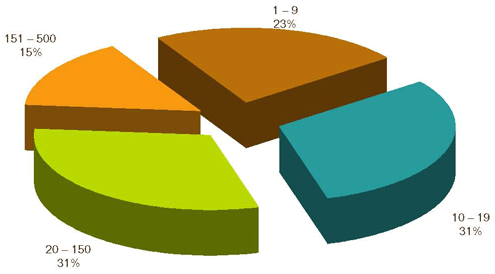
A reduction in machines also reduces power consumption requirements.
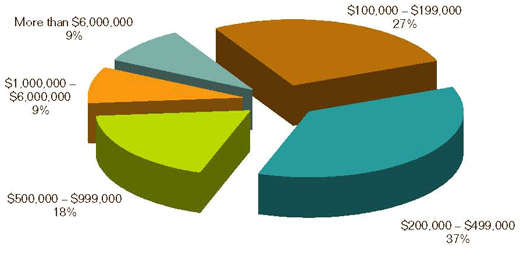
Savings actual compound with each additional VLM project.