
The two biggest reasons that cloud computing adoption is proceeding at a relatively slow pace is that it’s expensive to deploy and difficult to manage. For the most part, cloud computing requires IT organizations to deploy new systems specifically designed to support cloud computing. And then it turns out they need new processes and tools to manage cloud systems that for all intents and purposes wind up becoming yet another silo in the enterprise.
To address both those issues head on, RackWare today rolled out RackWare Management Module (RMM) 2.0, which, among other things, allows application workloads to move between different cloud systems without requiring modifications, supports cloudbursting across all those systems, and allows IT organizations to schedule workloads to run on systems that have been “parked” so that they are available when needed.
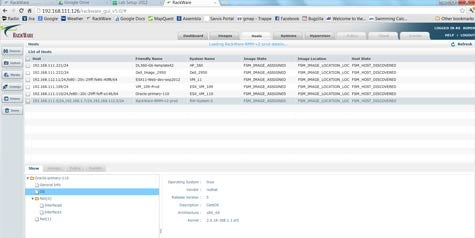
RackWare CEO Sash Sunkara says the basic idea behind the development of RMM was to provide a software-only approach to cloud computing that would make it simpler for IT organizations to manage deployments across private and public instances. As such, RMM provide a stateless compute model that can be used to manage local private clouds or workloads running in data centers that are managed by a cloud service provider. In essence, Sunkara says RMM is designed to act as a bridge between existing applications and the cloud.
Sunkara says RMM also comes with tools for discovering IT infrastructure in addition to analytics tools to help determine how those applications are performing.
One of the more challenging issues associated with cloud computing is that ideally it should be an enterprise-wide initiative. But vendors want customers to upgrade to new systems to accomplish that goal. There will obviously be a need for new systems. But to make cloud computing really work across the enterprise, there has to be a way to seamlessly integrate existing applications and systems into a cloud computing fabric; otherwise, the cloud simply winds up being yet another stack of software and servers that multiplies, rather than reduces, the complexity of the IT environment.