
SHARE
Facebook X Pinterest WhatsApp

Sumo Logic Extends Analytics Reach to Include Docker Containers

Cognitive Clouds: Gaining a Competitive Advantage As the number of microservices based on containers like Docker proliferates across the enterprise, IT operations teams will need more granular insight into the IT infrastructure forces affecting the performance of IT services. To provide that visibility, at the DockerCon 2015 conference, Sumo Logic announced that it has extended […]

Written By
MV
Mike Vizard
Jun 26, 2015
Slide Show

Cognitive Clouds: Gaining a Competitive Advantage

As the number of microservices based on containers like Docker proliferates across the enterprise, IT operations teams will need more granular insight into the IT infrastructure forces affecting the performance of IT services.

To provide that visibility, at the DockerCon 2015 conference, Sumo Logic announced that it has extended the reach of its analytics software for IT operations to incorporate microservices based on Docker containers.

Sahir Azam, director of product management for Sumo Logic, says that the company’s namesake service is based on machine learning software. It can now isolate objects in a way that enables IT organizations to determine how changes to the overall IT environment affect performance, security and compliance.

The end goal, says Azam, is to give IT organizations access to the analytics they need to manage IT environments where container-based microservices are not only provisioned in minutes, but also may disappear in an instant. To that end, Azam says it’s clear that IT organizations will need an agentless approach to tracking what is becoming a highly dynamic IT environment.
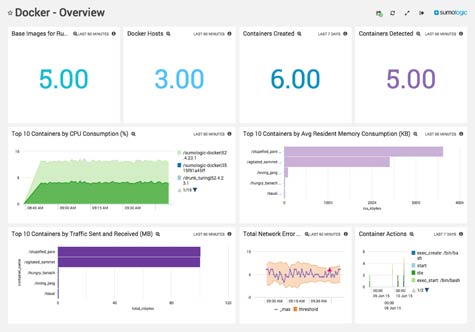
Sumo-Logic

Available via the Amazon Web Services cloud or on premise, Azam says Sumo Logic is designed to provide a highly elastic analytics framework that mirrors how IT organizations are actually embracing microservices.

In general, IT environments have already reached a level of complexity that most human beings can’t track on a daily basis. Microservices based on containers only increase that complexity. As such, it’s now only a matter of time before organizations find themselves depending more on machine learning software and advanced analytics to manage IT environments that may no longer look the same one day to the next.

MV

Michael Vizard is a seasoned IT journalist, with nearly 30 years of experience writing and editing about enterprise IT issues. He is a contributor to publications including Programmableweb, IT Business Edge, CIOinsight and UBM Tech. He formerly was editorial director for Ziff-Davis Enterprise, where he launched the company’s custom content division, and has also served as editor in chief for CRN and InfoWorld. He also has held editorial positions at PC Week, Computerworld and Digital Review.

Recommended for you...

Top RPA Tools 2022: Robotic Process Automation Software
Jenn Fulmer
Aug 24, 2022
Metaverse’s Biggest Potential Is In Enterprises
Tom Taulli
Aug 18, 2022
The Value of the Metaverse for Small Businesses
IT Business Edge Logo

The go-to resource for IT professionals from all corners of the tech world looking for cutting edge technology solutions that solve their unique business challenges. We aim to help these professionals grow their knowledge base and authority in their field with the top news and trends in the technology space.

Property of TechnologyAdvice. © 2025 TechnologyAdvice. All Rights Reserved

Advertiser Disclosure: Some of the products that appear on this site are from companies from which TechnologyAdvice receives compensation. This compensation may impact how and where products appear on this site including, for example, the order in which they appear. TechnologyAdvice does not include all companies or all types of products available in the marketplace.