

Five Tips to Improve Your Data Analysis

One of the more frustrating aspects of managing data in general and governing it in particular is trying to figure out which application owners go with which particular set of data. Without the ability to easily determine which application owner is responsible for generating a particular data set, the ability to actually implement anything approaching a data governance policy becomes almost impossible.
To help IT organizations address that specific issue, Symantec today is rolling out an upgrade to its data governance application that features enhanced analytics and improved query tools along with tighter integration with Symantec data loss prevention (DLP) and archiving applications.
According to Ketan Shah, product manager for the Symantec Storage and Availability Management Group, the goal behind the development of Data Insight 4.0 is to shine a light on all the dark data in the enterprise that is seldom used, but nevertheless is consuming valuable IT resources.
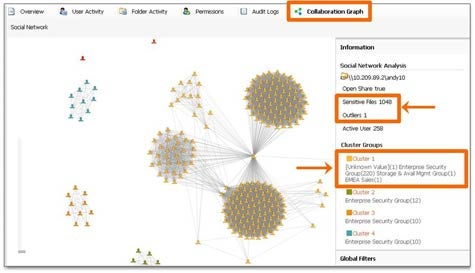
Once that data is identified, Data Insight then provides the social analytics tools needed to identify who within the organization created the data, which people have access to those files, and the last time the data was accessed. Armed with that information, Shah says IT organizations finally have the context they need to have an intelligent conversation with the business about archiving or deleting that data.
As the amount of unstructured data being stored across the enterprise continues to grow, IT organizations are pressured to be more efficient than ever. The problem is that it’s hard to be efficient when you don’t have control over the people using the applications that generate the data. IT organizations may never be able to control the amount of data created, but they can classify it in ways that make it a lot easier to store or simply delete.
Data management and governance has always been a major challenge for IT organizations, largely because of both the quality of tools available and the lack of political capital available to actually do anything about it. But as the total cost of storing data continues to rise, the corporate will to address these issues is finally starting to emerge. Now all that is required are the tools to do something about it.