Enterprise software has traditionally been focused on IT management and controls – not user experience. Usually they are heavy on features but light on any visual appeal. Thankfully, this is changing. Inspired by Apple and others in consumer electronics, enterprise vendors are putting more emphasis on design in their software – both via desktop/laptop and mobile devices.
For EMC Syncplicity, design is a security issue. If users are dissatisfied with their UX, they often will migrate to less secure “shadow IT” service, which puts an entire company at risk of security incidents.
Here are five key tips in designing intuitive, delightful apps that still meet the rigorous criteria of enterprise IT departments.
Designing Apps Users Will Use
Click through for five tips for building enterprise apps that users will want to use, as identified by EMC Syncplicity.

Focus on User-Centric Design
Adopt user-centric design as a core value.
Users come first. Enterprise apps need to exemplify the same user experience and ease of use as a consumer-grade app. Enterprise apps should be elegant, have a clean design with fluid transitions, be optimized for swipe, and be localized and personalized. If the application is difficult to navigate, users will go behind the backs of their IT department and use “shadow IT” services, making an entire company vulnerable to a data breach.
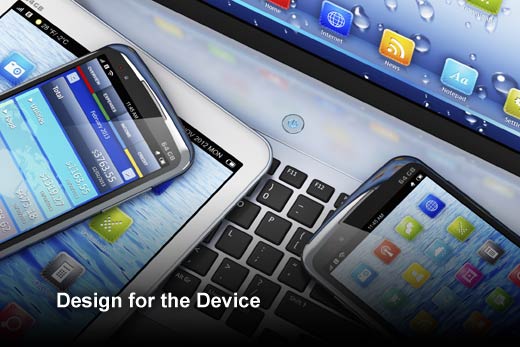
Design for the Device
Re-imagine and develop UX for different device types natively against going for lowest common denominator approach.
One size does not fit all. Design great and unique user experiences for each type of platform: Android, iOS, tablets, phablets, desktops, laptops and more. Creating one design and pushing it via different devices confuses users and could eventually drive them away. Apps should add specific UX innovation to make complex tasks easier, by overcoming the constraints of the device (small form factor) and leveraging its strengths (easy swipe/gesture/touch-based navigation). Customize these experiences and recognize user needs when using each type of device.
Measure User Engagement
Measure user engagement to help guide your design decisions/iterations. Users speak with their clicks inside your product – listen to them.
Observe and analyze how users navigate through your application, and integrate this valuable feedback into reoccurring product releases. Note when users are not engaged with or using a specific feature. Which features and icons do they gravitate towards? Recognize that these clicks (or lack thereof) are direct reflections of users’ likes and dislikes. Consistently check on what your users are saying via social media, the Apple App Store and Google Play, and in person via customer visits.
Benchmark Against the Best
Benchmark against the best apps, regardless of categories.
Take note of popular and trending apps. Whether it’s a social network, content app, retail app or something completely different, users are gravitating to this product for a reason. Does it have an out-of-the-box design? Does it require two-factor authentication? What makes you like it? Take all those observations, and make your app better than the others.
Enterprise apps have been coloring “inside the lines” for a long time and looking only to competitors as a point of reference. Instead, enterprise apps should follow and then exceed the benchmark for design and usability of consumer apps. Consumer apps don’t require a training manual, so why should they in the enterprise? Enterprise apps should build on the foundation of cutting-edge consumer apps (like Facebook Paper and Flipboard). Employees won’t use apps at work if they’re not easy, simple and intuitive.
Design for Enterprise Use Cases
Design for enterprise use cases as they are often different from consumer use cases, requiring different design choices.
Although there’s a lot to learn from the popularity and usability of consumer apps, the bottom line is that they serve fundamentally different purposes. Make sure the design makes collaboration and productivity easy and efficient. Because files at work typically have a higher security profile than most consumer information, make sure your enterprise app has robust encryption protocols, is capable of remote wipe, and has granular security and management protocols.