


Every once in a while the phone rings and it’s a recruiter on the other end. While you might not be interested in what he is offering, you have to admit that it’s flattering to get the call. (“Someone thinks I might be right for a job!”)
Once you get past the initial compliment, though, you have to get down to the serious business of determining if you are interested. The recruiter wants to know about you, but before you turn over your resume, there are things you should know about him.
Here are 10 questions to ask a recruiter and one question to avoid, as identified by Andrea Sobel writing for TheLadders. See if you can figure out which is which.

Click through for 10 questions you should ask a recruiter before submitting your resume, as identified by TheLadders.

The recruiter probably has a one-page laundry list of what the perfect person looks like. The truth is, however, the client/employer most likely has only a few (three to four) key requirements that are the deal-breakers. Get those on the table first to see if you’re even in the ball park. You probably don’t need all the requirements. If you don’t have the basics, you might as well say thanks and cut the conversation short. Especially in a tough economy, managers are not generally willing to massage the basic requirements because they believe they will find someone who has them. Here’s when you tell the recruiter to call you if she finds another job that matches your skills and desires.

Hearing what the client/employer expects you to do is important. While the job may entail more money or a higher title, you have to show up and do that job every day. Is it something you want to do? Will it stretch your skill set? Will it represent more of the same at a moment in your career when you’re ready to do more? (Don’t give up yet. This might be a company with rapid promotions, and a lateral job is just what you need to get you leverage to climb the ladder.)

Here’s where you find out what has gone into the search so far and maybe what your chances are. If the recruiter has the job exclusively or is sharing it with only one other recruiter, you have a better chance to get your resume reviewed by the hiring manager. If it’s out to a zillion agents, your chances just dropped, but it doesn’t make it impossible. It just requires you to stay in closer touch with the recruiter to find out where things stand. The process will probably go more slowly because the employer will be wading through more resumes. Make sure your recruiter believes in you for the position and is doing everything she can to get you noticed. Also, make sure the resume you present really highlights the experience the employer is looking for. Here’s where you need to really stand out from the pack.

This is bit like Goldilocks: The right answer is not too long and not too short. If you are the first candidate interviewed and you are really great, the employer may conclude the search will be easy and want to see more for comparison. That’s not to say everyone else won’t pale by comparison, but it is a waiting game for you

If the recruiter says the job has been open a long time (and especially if he then sighs), you need to get him to get more info. It would make lots of sense if the recruiter would go back to the client/employer and find out what has been wrong with the people they’ve interviewed. When you hear the answer, you can begin to determine if you’ll be another in a series of misses or a better fit than the candidates who have come before.

You’re going to have to do a little digging here. People turn over, but it is only meaningful if you can see a pattern. Do a lot of people turn over? Was it a promotion? (A good thing!) What is the longevity of the rest of the team? You might not get all the facts from the recruiter, but if it brings up a red flag, keep your eyes open doing the interview (and be sure all your questions are answered before you accept).

Here’s where you ask about starting salary range. But also ask about bonuses (and more importantly, the last few years of achieving them) and any other perks that might be included. Half-day Fridays always sounded good to me, but someone else might care about child care, gym membership, stock options, a car allowance or the health-insurance co-pay.
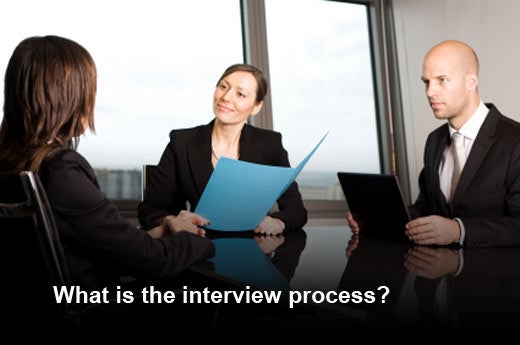
How many steps till the decision? Sobel had one client who required candidates undergo nine interviews! Will you get to meet the senior management in the process? It’s just good to know what you’re getting yourself into, and it’s also a good way to gauge how you are doing. (Are you almost to the finish line?)

You can check out the financials on the Internet, but is there any insider info you should know that may not be as public? For example, Sobel is working with a company that is bringing its SEC work in-house and is planning on going public within two years. This info is very valuable to someone looking at an open position. This is also where you can learn about company culture. Do they wear jeans? Is there flexibility to work from home sometimes?

For example: Los Angeles jobs that are eight miles from your home can mean an hour longer on the road. If it’s a crazy commute, is there any possibility to work remotely a couple times a week? If it means relocation, what does that include?

It’s always great to think one of your colleagues thinks enough of you to refer you for this job. In some ways, you don’t feel like you need to investigate quite so much, since someone who knows you thinks you’re a match.
Don’t shy away from asking these solid questions that help you decide whether to move forward. Watch out for #11. While you can certainly ask, you may not get a solid answer. Recruiters often get referrals with the promise of not revealing their source. (Very Deep Throat.) So, let the recruiter slide on that one, and make him work to give you great answers to all the rest.